
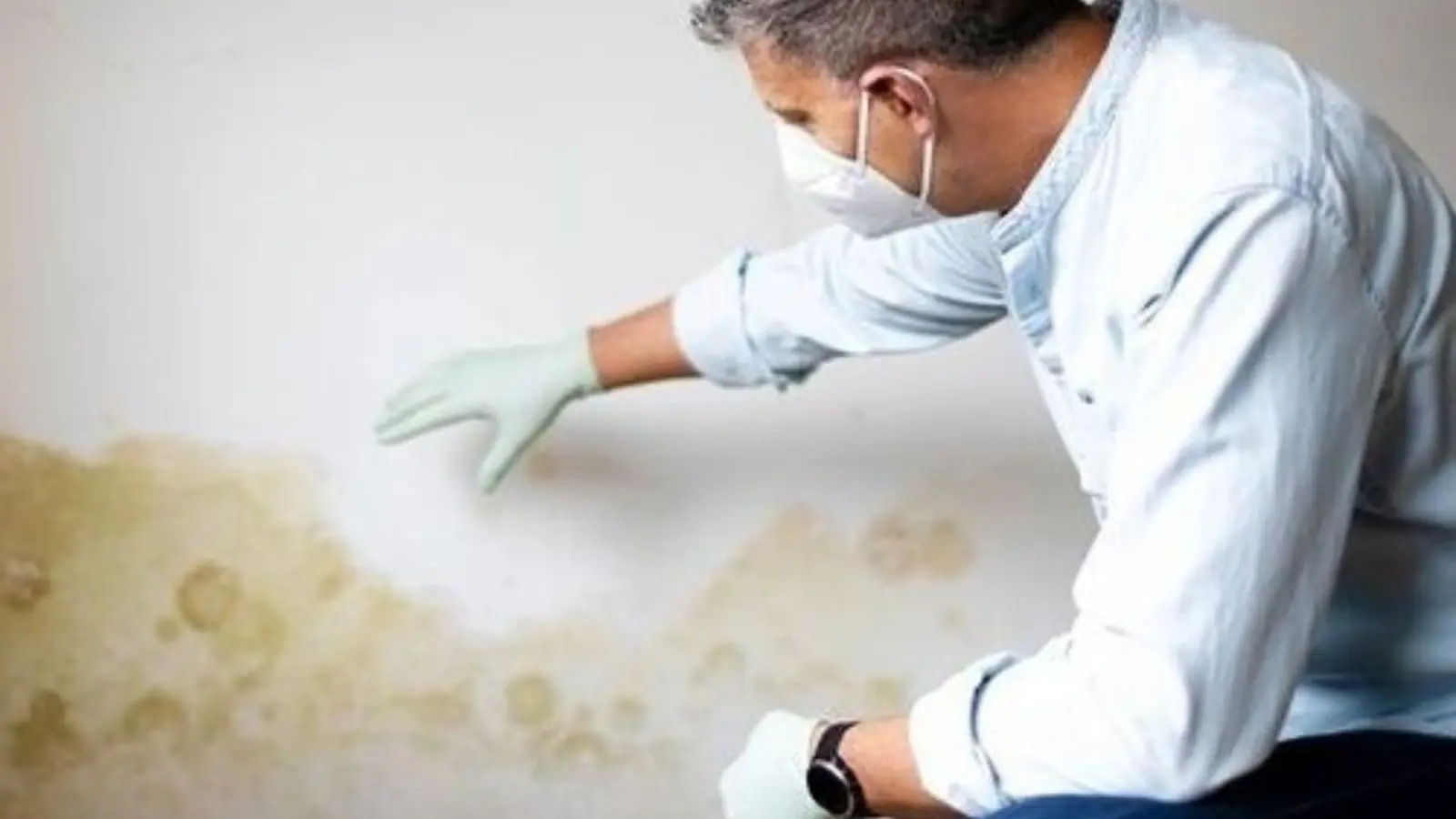
Mold from water damage in Duarte, CA can start within a day or two of a leak, a failed supply line, or a roof drip. The EPA and CDC both say to dry water-damaged areas and items within 24 to 48 hours to prevent mold growth. That clock starts when the material gets wet, not when you finally spot the stain.
This guide walks through what mold actually needs, the places it hides in a house, what to do hour by hour, and what a restoration crew does on site. If you already have wet materials, the fastest step is a call to (626) 879-0276, because drying is far cheaper in effort than cleanup after growth sets in.
What mold needs to start
Mold spores are in ordinary indoor and outdoor air all the time. They do not need a dramatic flood. They need a surface they can feed on, such as drywall paper, wood framing, cardboard, carpet backing or dust, and they need moisture that lingers. The EPA puts it simply. Moisture control is the key to mold control.
That is why a wet wall cavity matters more than a puddle on a tile floor. A puddle is visible and gets wiped up. A cavity stays damp for days because air cannot move through it, and nobody sees it. The goal after any leak is to take the moisture away completely, not just to make surfaces look dry.
Where mold hides after a leak
Most growth after water damage is not on the open wall where you can see it. It sits where water travelled and where air does not reach.
- Behind baseboards. Water wicks into the bottom edge of drywall and gets trapped behind the trim and paint line.
- Under flooring. Laminate, vinyl plank and engineered wood hold moisture against the subfloor. Carpet pad acts like a sponge under the carpet.
- Inside walls. Insulation and the back face of drywall stay wet long after the front face feels dry.
- Under sinks and behind appliances. Slow drips from supply lines, dishwashers and ice makers can run for weeks before a stain appears.
- Above ceilings. A leak from an upstairs bathroom or roof can soak the drywall and the insulation above it.
A musty smell with no visible stain is a common sign that something is damp out of sight. A crew checks this with a moisture meter, which reads moisture content inside the material, and a thermal camera, which shows cooler wet zones behind the surface. Guessing by touch misses a lot.
| Time since wetting | What to do | Why it matters |
|---|---|---|
| 0 to 4 hours | Stop the source, shut the water valve, remove standing water, move belongings off wet floors. | Less water soaked into materials means a shorter drying job. |
| 4 to 24 hours | Call for extraction and drying. Open cabinet doors, lift furniture off carpet, photograph everything. | Professional extraction and air movers can start before materials are saturated through. |
| 24 to 48 hours | Dry the structure with air movers and LGR dehumidifiers. Pull wet baseboard, pad and soaked insulation if needed. | This is the EPA and CDC window for preventing growth. |
| 2 to 5 days | Get moisture readings in wall cavities and under floors. Remove materials that will not dry in place. | Porous materials that stay damp past the window are the usual trouble spots. |
| Past 5 days or visible growth | Stop disturbing the area and call about mold remediation. Keep the room closed off. | Scrubbing and fans can spread spores to clean rooms. |
Treat the table as a guide, not a guarantee. Thick materials, hot weather indoors and closed-up rooms all change how fast things happen. Moisture readings, not the calendar, decide when a structure is dry.
What a restoration crew does to stop it
Stopping mold after a leak is mostly a drying job. The crew follows the ANSI/IICRC S500 standard for water damage restoration, which is a published industry standard you can ask any company about. The steps are practical and measurable.
- Find and stop the source. The leak has to be repaired or shut off, or everything else is wasted effort.
- Extract standing water. Pumps and extraction units pull water out of carpet, pad and low spots first, because it is faster than evaporating it.
- Map the moisture. Moisture meters and a thermal camera show how far the water travelled, including into walls and under floors.
- Remove what cannot be saved. Soaked pad, swollen baseboard and wet insulation come out so they stop feeding the problem.
- Set the drying equipment. Air movers push air across surfaces and LGR dehumidifiers pull the moisture out of the air so it does not settle somewhere else.
- Check daily and confirm dry. Readings are taken again until the materials reach a dry standard, then the equipment comes out.
Wet materials right now?
The 24 to 48 hour window is short. Call the 24/7 line and describe what got wet, when, and whether the water has stopped. We can tell you what to move, what to leave alone, and whether it needs drying equipment.
If you want to see how that first stage works in detail, our water mitigation service covers extraction and structural drying. If drying was missed and growth has appeared, a separate scope for removal and containment applies. Do not mix the two up. Drying prevents mold, and remediation deals with mold that is already there.
Duarte local note: check where the water enters
California American Water runs the Duarte water system, and its 2023 water quality report lists the source as 100 percent groundwater from the Main San Gabriel Basin. That tells you nothing about leaks inside your house, but it does tell you who to call for a leak outside it. The city lists a Cal Am line for street water leaks at 888-237-1333.
Here is the practical split. If water is bubbling up in the street or the parkway or the meter box is flooded, call the utility. If the water is coming from a pipe on your side of the meter, shut your main valve and call a restoration crew. Either way, the clock on drying starts when your materials got wet.
Sources: utility report, city website, EPA, CDC
Nearby homes, same clock
The same timing applies across the foothills. Homes in Monrovia and Azusa deal with the same moisture rules, so a slab leak, a roof drip or a washing machine hose failure leaves the same short window to dry things out wherever the house sits.
What not to do while you wait
Do not blast a household fan at a wall you suspect is wet unless you know it is clean, because moving air across a growth area can push spores around. Do not paint over a stain, since the moisture stays behind the paint. Do not seal wet carpet pad under new flooring.
For any health question, ask your physician. A restoration crew does not diagnose illness.
Questions Duarte homeowners ask
The EPA and CDC advise drying wet areas and items within 24 to 48 hours to prevent mold growth. Growth can begin inside that window when materials stay damp, especially in closed wall cavities and under flooring. If you are past two days, call for moisture readings.
No. A slow drip under a sink or behind a dishwasher keeps one area wet for weeks, and that steady moisture is what mold needs. Small leaks often cause more hidden damage than a single large spill that gets cleaned up fast.
Water bubbling up in the street or parkway is a utility matter. The city lists California American Water's line for street leaks at 888-237-1333. Water inside your home from your own pipe is your responsibility, so shut the main valve and call a crew.
Usually not. The front of a wall can feel dry while the back of the drywall and the insulation stay wet. A moisture meter reading inside the material is the only reliable check.
Mold caused by a covered peril may be covered, and the California Department of Insurance says to contact your adjuster right away if you suspect mold after a leak. Coverage depends on the cause and your policy, so read it and ask your insurer.