
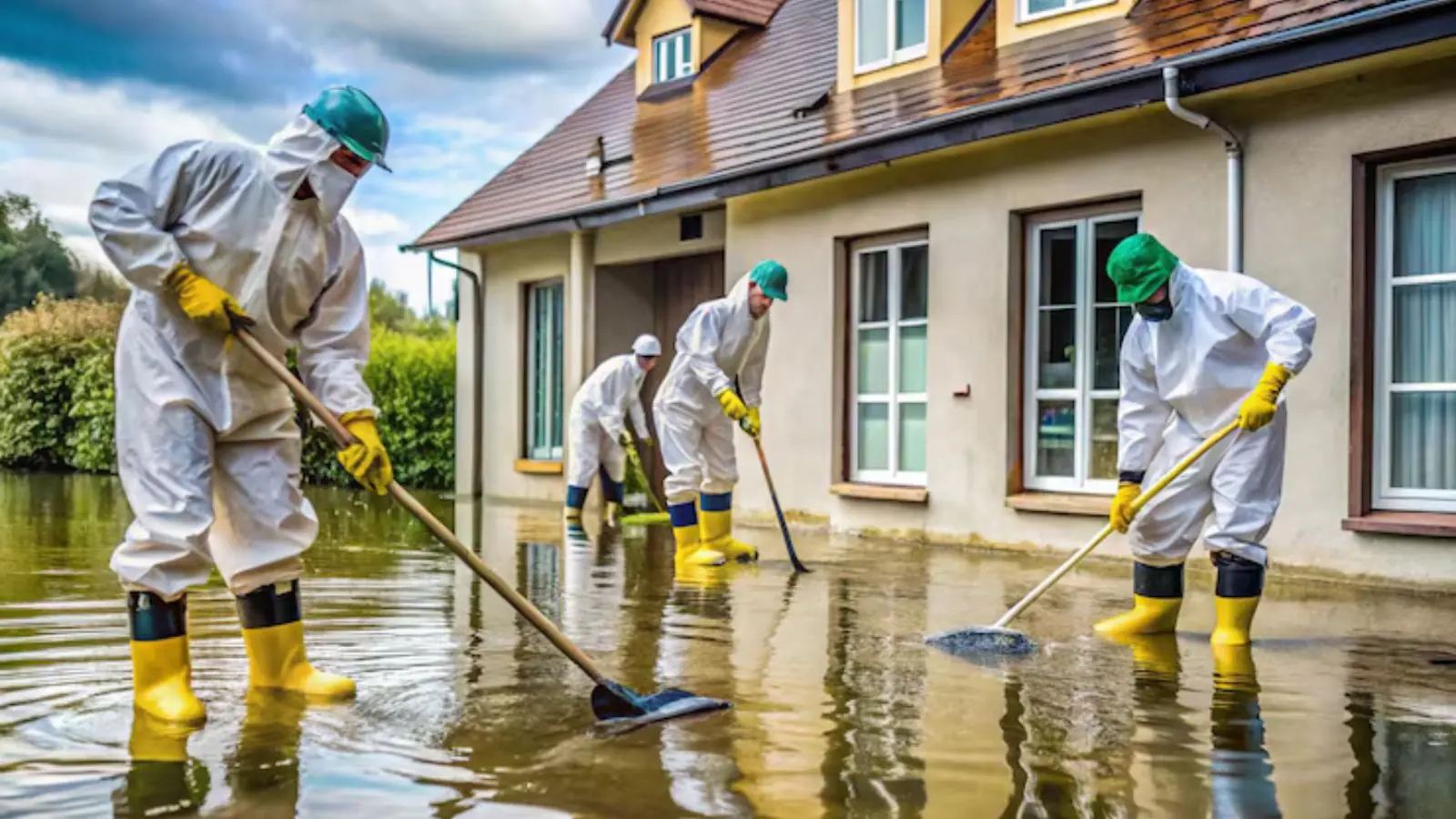
Emergency water damage cleanup in Duarte, CA covers what comes after the water is stopped and before anyone rebuilds. It means hauling out wet debris, removing materials that cannot be saved, sanitizing surfaces and getting rid of the smell. The first 48 hours matter most, which is why this 24/7 line exists. A crew is sent as soon as one is available.
While you wait, stop the source, keep people and pets out of dirty water, and lift anything valuable off wet floors. Take photos before you move or discard anything, because your insurer will want to see what was damaged.
When Cleanup Becomes an Emergency
Cleanup is an emergency when water has soaked porous materials such as carpet, pad, insulation, drywall or upholstered furniture. Those materials hold water and bacteria, and they start to smell within a day or two. It is also an emergency when the water came from a toilet, a sewer backup or an outside source, because contaminated water can carry bacteria and does not belong in a living space.
Do not clean contaminated water yourself
Sewage and floodwater are not a mop-and-bucket job. Stay out until protective gear and extraction equipment arrive. If you see water near outlets, appliances or the panel, call 911 or the utility before anything else.
Water Categories and What They Change
Restoration professionals sort water into three categories because the category decides what can be saved. The categories come from the published ANSI/IICRC S500 standard, which you can ask any company about.
| Category | Typical source | Cleanup approach |
|---|---|---|
| Category 1 | Broken supply line, tap overflow, rainwater from a clean source | Extract and dry. Carpet may be saved if treated quickly. |
| Category 2 | Washing machine or dishwasher discharge, toilet overflow without feces | Extract, clean and treat. Porous materials are often removed. |
| Category 3 | Sewage, rising floodwater, long-standing water | Protective gear, removal of porous materials, sanitizing and drying. |
Clean water that sits for a day or two can degrade into a higher category, which is another reason time matters.
What a Cleanup Visit Includes
- Assessment. The technician identifies the water category and finds the wet boundary with moisture meters.
- Debris and material removal. Wet carpet pad, insulation, ruined drywall and affected baseboards are cut out and bagged.
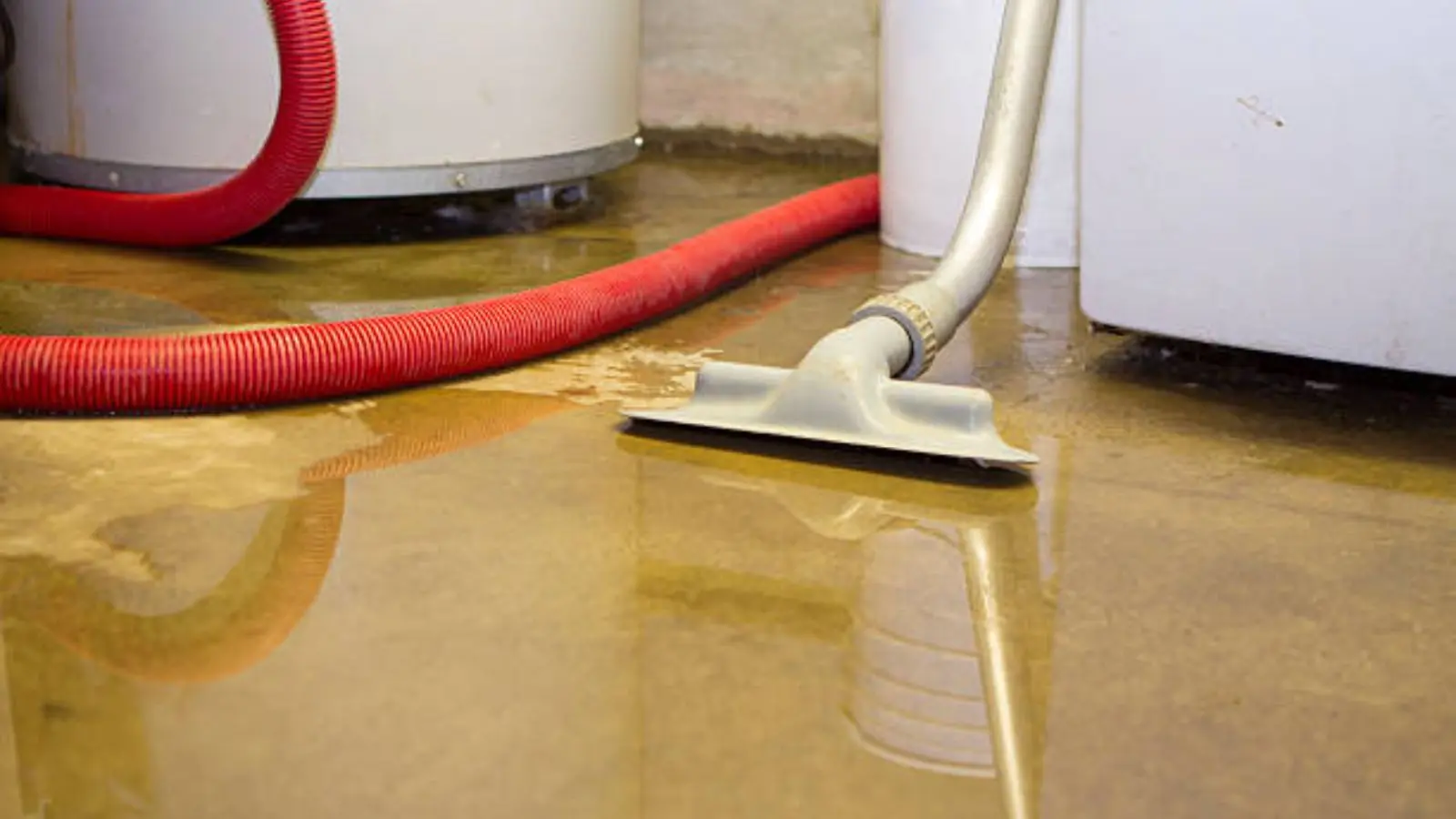
- Extraction. Remaining water is removed from floors and cavities.
- Cleaning and sanitizing. Hard surfaces are cleaned and treated with an antimicrobial appropriate to the category.
- Odor control. Odor is addressed at its source by removing the material, not just masking it.
- Handoff to drying and repair. The space moves to water mitigation drying and, later, water damage repair.
Contents are triaged in the same visit. Hard goods can often be cleaned and dried, while mattresses, upholstered furniture and anything porous that sat in contaminated water usually cannot be saved.
Sewage Backup Cleanup
A sewage backup brings Category 3 water into a home, usually through a floor drain, tub or low toilet. The first step is stopping use of the plumbing so more water does not arrive. The second is reporting the backup, because the drain line may belong to the city, the county sewer system or the property owner depending on where the blockage is.
Crews wear protective gear, extract the water, remove porous materials that touched it, and sanitize everything that remains. Carpet and pad are almost always discarded, drywall is cut back above the wet line, and HEPA air filtration helps with airborne particles during demolition. The area is dried completely before rebuilding starts.
Cleanup cannot wait for the weekend
Call the 24/7 line, tell dispatch what the water touched, and ask what to do until the crew arrives.
What Affects the Cost of Cleanup
- Water category. Contaminated water requires protective gear, disposal and more removal.
- Volume of debris. Carpet, pad, insulation and drywall all add weight and haul-off.
- Affected area. Larger areas need more labor and sanitizing.
- Contents. Items that can be cleaned are handled differently from items that must be discarded.
- Follow-on stages. Cleanup is priced apart from drying and repair so you can see each one.
We explain the scope and price before work starts.
Insurance Note
Sudden and accidental water damage is often covered, and gradual leaks are often excluded. Photograph the damage before debris is removed, keep a list of discarded items, and ask your insurer what is required. Standard homeowners policies typically exclude flood.
Duarte local note: sewer reporting and renters
The City of Duarte contracts with the LA County Sewer Maintenance Division for its sanitary sewer, and the county takes sewage spill and odor reports 24 hours a day at 1-800-675-4357. Call that line if sewage is backing up, because it tells you whether the blockage is in the public main or on your side of the property line.
The Census puts roughly 39 percent of Duarte households in rental housing. If you rent, tell your landlord in writing right away and keep photos of what was damaged, since a landlord, tenant and insurer may each have a part in the loss.
Sources: City of Duarte website, Census QuickFacts.
Cleanup Beyond Duarte
The same crews respond in Monrovia, Azusa and nearby towns. When flooding came from outside the building, see flood damage restoration.
Water Damage Cleanup questions
Yes. Dispatch is answered 24/7 and a crew is sent as soon as one is available.
Porous materials that sat in contaminated water, wet carpet pad, saturated insulation and ruined drywall. Hard goods can often be cleaned and dried.
Sometimes, when the water was clean and the carpet is extracted and dried quickly. The pad underneath is almost always replaced.
By removing the wet material that causes it, cleaning and treating surfaces, and drying the structure. Spraying fragrance over wet drywall only hides the problem.
Stay out, stop using the plumbing and call the 24/7 line. Sewage is Category 3 water and needs protective gear, removal of porous materials and sanitizing.
Yes. Photograph the damage and the items affected before anything is discarded, and keep your receipts for emergency steps.